



How to get Polish citizenship: routes, rules, and timelines
Compare every route to Polish citizenship: descent, recognition, restoration, and presidential grant. Who qualifies for each, and how long it takes.

Polish Citizenship
June 2, 2023
Confirming Polish citizenship makes you an EU citizen. 13 real benefits: a top-ranked passport you keep, the right to live in 27 EU countries, and more.

Compare every route to Polish citizenship: descent, recognition, restoration, and presidential grant. Who qualifies for each, and how long it takes.

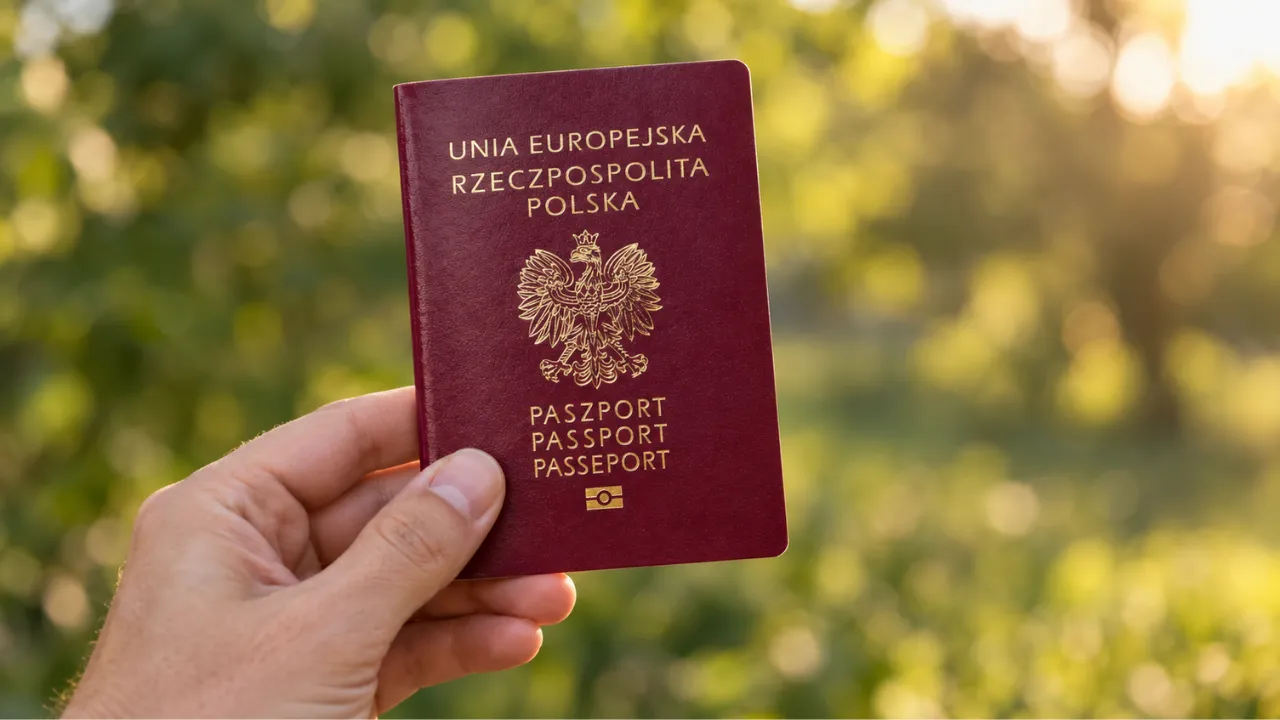
How strong the Polish passport is in 2026, who qualifies by descent, the four steps to apply from abroad, what it costs and how long it stays valid.

Poland ranks 6th in the July 2026 Henley Passport Index with 184 visa-free destinations. What the ranking counts, what it misses, and what the passport does at the border.

Citizenship confirmation, transcription, PESEL, then the passport, in the only order that works. 2026 consular fees for the US, UK, Canada and Australia.
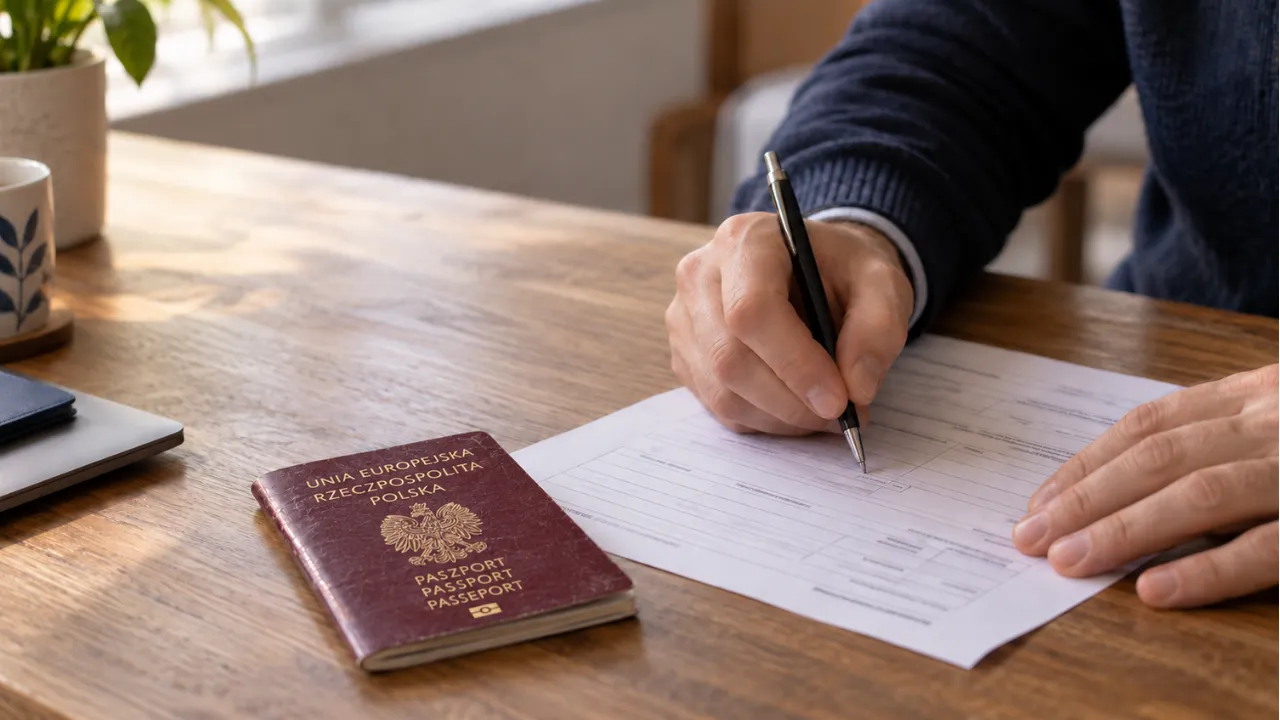
A Polish passport is valid 10 years, unless your PESEL data changes, which ends it in 120 days. How renewal works, and your two routes home if it is lost.

Studying in Poland: low fees, 850+ English courses, and free public study for Polish citizens. See costs, medicine, rankings, and how a passport unlocks it.

Your Polish passport unlocks work rights across the EU, EEA, and Switzerland. No visa, no sponsorship. Here's what that really means for your career.

How the Polish healthcare system works in 2026: who the NFZ covers, how to get insured, what care is free, waiting times, and your EU health rights.

A Polish passport makes you an EU citizen, so you study across Europe at local tuition rates, often free or low-cost. Here's what that unlocks for you.

Poland is now the world's 20th largest economy. See what Polish ancestry and confirmed citizenship actually change for entrepreneurs with roots in Poland.

Unlock the secrets to setting up your business in Poland effortlessly. From legal compliance to post-registration tasks, this guide has you covered. Start your entrepreneurial journey with confidence today!

70+ scholarships for students of Polish descent in the US — national, state, and local awards with eligibility requirements, deadlines, and direct application links.

Owning Polish real estate as a foreigner? This guide unlocks the process! We navigate permits, explore alternative options like citizenship confirmation, and unpack investment opportunities, costs, and ongoing considerations. Invest confidently and own a piece of Poland!

Scholarships for students of Polish descent across the USA, Canada, UK, and Australia, plus fully funded Polish government programmes worth knowing about.

30+ scholarships for Polish-Canadian students — CPMF, Mickiewicz, Reymont, Alberta awards, U of T Polish studies. Deadlines, amounts, eligibility, and direct application links.
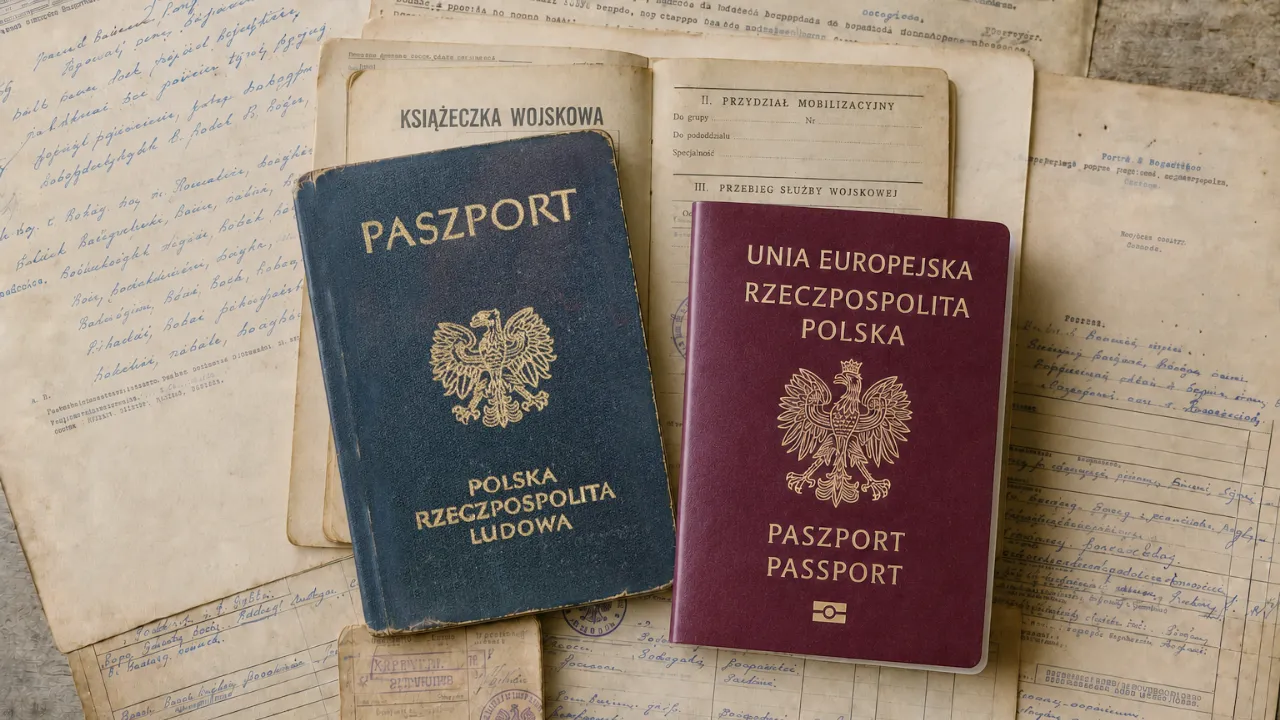
Polish citizenship lost before 1999 can often be restored. See who qualifies, what evidence counts, and how restoration differs from confirmation.

Discover how Poland transformed since 2004 through economic growth, advanced manufacturing, tech innovation, infrastructure development, cultural revival, human capital investment, and strategic defense leadership, becoming a dynamic European power by 2025.

Unveiling Polish Citizenship Acquisition. Part 2 Explores Additional Cases and the Possibility of Losing Polish Citizenship.

Recognizing a foreign judgment by a Polish court. Discover the steps and requirements for recognizing a divorce decree in Poland, ensuring a smooth legal process.

Martial law in 1980s Poland forced over a million emigrants to leave, often losing citizenship due to PRL policies. This article explores the impact on emigrants and pathways to restore Polish citizenship, highlighting the importance of reconnecting with Polish heritage, rights, and identity.

If you have Polish heritage and are interested in acquiring Polish citizenship or exploring ancestral claims, this article presents a comprehensive and straightforward guide to assist you throughout the process.
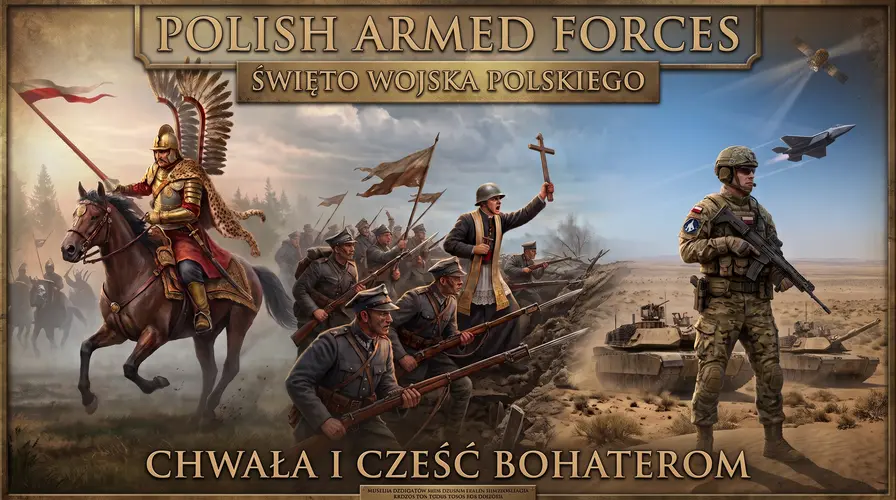
Why Poland celebrates its army on August 15: the 1920 Miracle on the Vistula, winged hussars, today's NATO powerhouse, and your family's part in it.

The Law of Blood in Poland holds great significance for individuals seeking Polish citizenship through descent.This legal framework recognizes and values the importance of ancestral ties and historical connections as the basis for citizenship eligibility.

Before Christianity arrived in Poland, spring meant Jare Gody — drowning straw goddesses and worshipping fertility gods. Those traditions never fully left.

Palm Sunday to Easter Sunday: Święconka basket symbolism, Rezurekcja, Turki tomb guards, Krzyżoki, Lipnica palms, and every Holy Week tradition explained.

From żurek in bread bowls to temperamental babka and 7 regional road trip stops — the complete guide to what Poles eat at Easter and why.

Śmigus-Dyngus (Wet Monday) is Easter Monday in Poland — a 600-year-old tradition of water fights, willow branches, roosters, and baptism mythology.

Discover Polish Christmas traditions: from the first star to talking animals at midnight. Learn about Wigilia customs, superstitions, opłatek rituals & more.

Discover Wielkanoc — Poland’s most important holiday. From pisanki and Śmigus-Dyngus to Emaus fairs and how Easter stacks up against Christmas.

Explore Polish Christmas cuisine: 12 traditional Wigilia dishes, the famous carp in bathtub, and regional specialties from Silesia to Kashubia. Smacznego!

Polish majówka is the May long weekend — three holidays in three days (Labor Day, Flag Day, Constitution Day). What Poles do, why the grill is non-negotiable, where to go.

1 May in Poland carries three overlapping meanings — Workers' Day, the Catholic feast of St. Joseph the Worker, and Poland's 2004 EU accession anniversary.

2 May is two holidays in one — a day for roughly 20 million Poles abroad, and a day for the white-and-red flag they carried with them. The full story of both.

Polish Constitution Day on 3 May commemorates the 1791 document — first in Europe, second in the world. The story behind why Poland still stops every year.